


The Ultimate Guide to Using Turmeric for Inflammation: Scientific Backing, Dosage, and Benefits
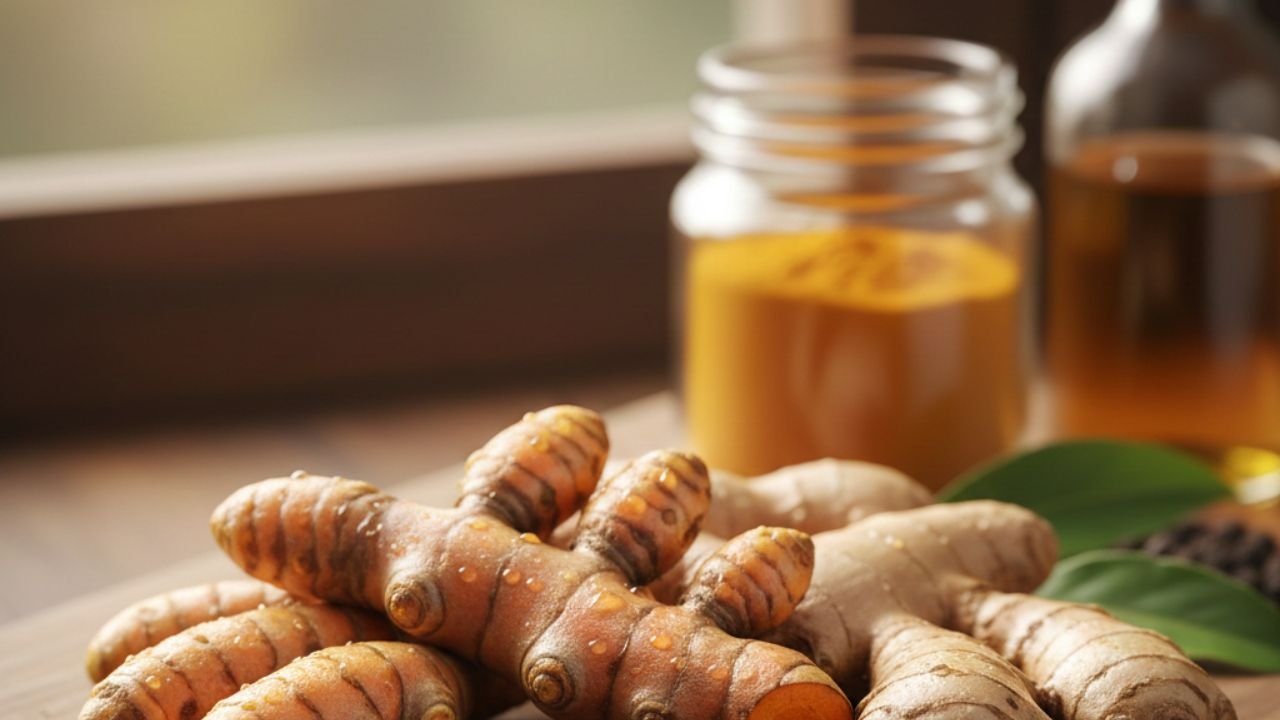
Turmeric for inflammation is a subject of profound scientific interest, moving this ancient spice from the kitchen cabinet to the front lines of natural medicine. For millennia, cultures across South Asia have revered turmeric (Curcuma longa) not just for its deep golden hue and earthy flavor, but for its remarkable therapeutic power. Today, cutting-edge research is validating this traditional wisdom, revealing that the primary active compound in turmeric, curcumin, is a powerful bioactive agent that targets chronic inflammation at a molecular level.
This comprehensive guide will explore the precise science behind how turmeric works, its proven clinical benefits for various chronic inflammatory conditions, the critical factors for absorption, and exactly how to use it to achieve meaningful, long-term relief. Understanding the mechanism is the first step toward harnessing the full anti-inflammatory potential of this incredible root.
The Science Behind Curcumin’s Anti-Inflammatory Power
Chronic, low-grade inflammation is now recognized as a root cause of most modern diseases, including heart disease, diabetes, and neurodegenerative disorders. Turmeric’s efficacy lies in its active compounds, collectively known as curcuminoids. These molecules do not merely mask pain like common over-the-counter drugs; they intervene in the complex signaling pathways that cause inflammation to begin with.
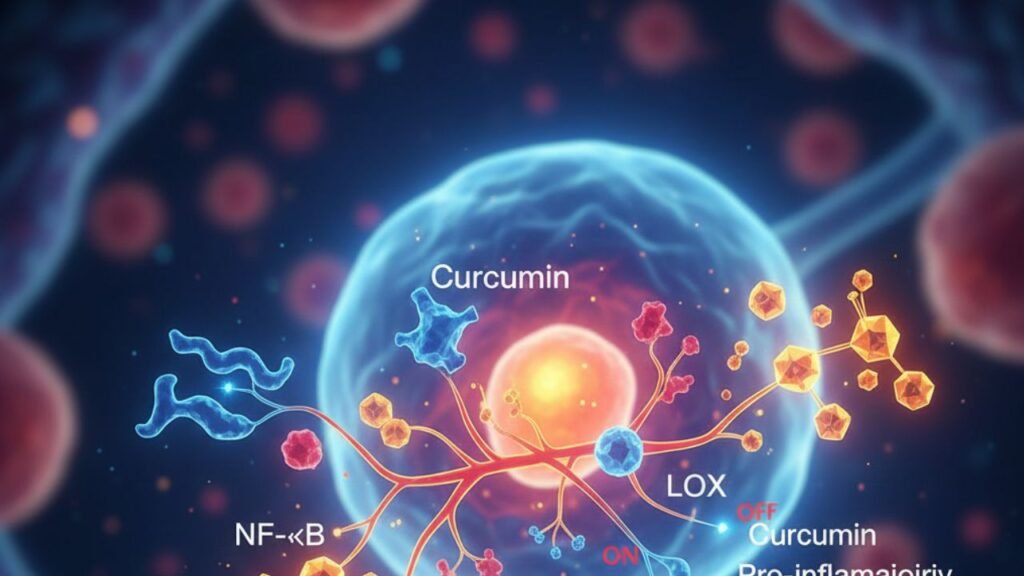
The most significant action of curcumin is its ability to inhibit NF-κB (Nuclear Factor kappa-light-chain-enhancer of activated B cells). NF-κB is often described as the “master switch” for inflammation. When activated, it enters the cell nucleus and turns on the genes that produce pro-inflammatory substances such as cytokines, interleukins, and cyclooxygenase (COX-2) and lipoxygenase (LOX) enzymes. By blocking NF-κB activation, curcumin effectively switches off the production line for many of the body’s inflammatory signals, providing a holistic and systemic anti-inflammatory effect.
Overcoming the Bioavailability Hurdle
Despite its potent action in a petri dish, pure curcumin is notoriously difficult for the human body to absorb. It is metabolized quickly and poorly crosses the gut barrier, meaning most of the dose is passed out of the body unused. This poor bioavailability is the single greatest challenge in therapeutic use.
Fortunately, modern science has provided effective solutions. The most widely recognized and research-backed strategy involves combining curcumin with Piperine, an alkaloid found in black pepper. Piperine works by inhibiting certain liver enzymes responsible for metabolizing (breaking down) curcumin, allowing it to stay in the bloodstream much longer and increasing its absorption by up to 2,000%.
For those serious about harnessing the power of Turmeric for inflammation, choosing a high-quality, bioavailable supplement is essential. We recommend a high-potency formula that includes Black Pepper Extract (Bioperine) to ensure optimal absorption. This small addition makes a monumental difference in the supplement’s effectiveness.
Recommended Natural Remedy: High-Potency Turmeric Curcumin with Bioperine
[AMAZON LINK: High-Potency Turmeric Curcumin with Bioperine (Check Price and Reviews)]
Other advanced formulations, such as liposomal and phytosome delivery systems (e.g., Meriva), have also demonstrated high absorption rates and are excellent choices for specific, severe conditions.
Clinical Applications: Where Turmeric Makes a Difference
The anti-inflammatory effects of curcumin have been studied across a wide spectrum of human health conditions. Its effectiveness is often most dramatic in chronic inflammatory disorders:
Joint Health and Arthritis Relief
Numerous clinical trials have shown that curcumin supplements can significantly reduce pain and stiffness in patients with Osteoarthritis (OA) and Rheumatoid Arthritis (RA). In some studies, high-dose curcumin has been found to be as effective as Non-Steroidal Anti-Inflammatory Drugs (NSAIDs) like ibuprofen, but with far fewer gastrointestinal side effects. Curcumin works by reducing the degradation of cartilage and blocking the inflammatory pathways that drive joint destruction.
Gut Health and Digestive Support
Systemic inflammation is inextricably linked to gut health. Curcumin has been shown to modulate the gut microbiota and soothe the inflamed lining of the colon. It can be a supportive treatment for managing symptoms associated with Inflammatory Bowel Disease (IBD), such as Ulcerative Colitis, by reducing mucosal inflammation and oxidative stress within the digestive tract.
- [The Role of Gut Flora in Systemic Inflammation]
Cognitive Function and Neuroinflammation
Inflammation in the brain, or neuroinflammation, is believed to play a role in the progression of Alzheimer’s and Parkinson’s diseases. Curcumin’s powerful antioxidant and anti-inflammatory properties may help mitigate this process. It has been shown to increase levels of Brain-Derived Neurotrophic Factor (BDNF), a growth hormone that supports the survival of existing neurons and encourages the growth of new ones, offering a neuroprotective benefit.
Optimal Dosing, Safety, and Implementation
To achieve therapeutic results, proper dosing of the standardized extract is essential. Most studies demonstrating clinical benefit use a dose of 500 mg to 1500 mg of standardized curcuminoids daily, usually split into two or three doses. Taking the supplement with a meal containing healthy fats can further enhance absorption.
While generally safe, curcumin can interact with certain medications, particularly blood thinners, due to its mild anti-platelet effect. It is also advised that individuals with gallstones consult a doctor before use, as it can increase bile production.
Integrating Turmeric for inflammation relief should be part of a broader anti-inflammatory lifestyle that includes a balanced diet rich in whole foods and regular physical activity. Relying solely on a supplement without addressing foundational dietary habits will yield minimal results.