



⚕️ Disclaimer
The content in this article is for informational purposes only and is not a substitute for professional medical advice. Always consult with a doctor.
Using Fennel Seeds for Bloating is a time-tested natural remedy that has been used across cultures for centuries. For many, that uncomfortable feeling of fullness, distention, or pain caused by trapped gas is a daily reality. While common, chronic bloating and gas can significantly impact comfort and quality of life. Fortunately, nature offers powerful, accessible solutions, and few are as potent and effective as the humble fennel seed.
Fennel, derived from the Foeniculum vulgare plant, has been revered since ancient times by Egyptian, Roman, and Chinese traditional medicine practitioners. It is classified as a carminative—an agent that aids in the expulsion of gas from the stomach and intestines. This comprehensive guide explores the powerful science behind why Fennel Seeds for Bloating work so effectively, alongside practical methods for integrating this potent herb into your daily routine for consistent digestive relief.
Section 1: The Science Behind Fennel Seeds for Bloating and Gas
The remarkable effectiveness of fennel seeds lies in their complex composition of volatile oils. These aromatic compounds are the key to the seeds’ medicinal properties, particularly their potent anti-spasmodic and carminative actions.

The Role of Volatile Oils: Anethole and Fenone
The primary active compounds found in fennel seeds are anethole, fenone, and estragole. These powerful oils interact directly with the smooth muscles of the gastrointestinal (GI) tract:
- Anti-Spasmodic Action (Relief from Cramps): Anethole, the main component giving fennel its distinctive licorice flavour, acts as a potent anti-spasmodic agent. It works by relaxing the smooth muscles that line the digestive tract. When these muscles are tense—often the case during periods of trapped gas or irritable bowel symptoms—they create uncomfortable cramps and hinder the smooth passage of gas. By relaxing these muscles, anethole helps alleviate the painful contractions and allows the body to release the trapped gas more easily.
- Carminative Effect (Expelling Gas): The volatile oils in fennel help to break up gas bubbles in the gut. Instead of remaining as large, painful pockets of air, the gas is broken down into smaller, easier-to-pass bubbles. This action is critical for alleviating the distended feeling that characterises Fennel Seeds for Bloating relief. This natural process reduces flatulence and relieves pressure on the abdominal cavity.
- Stimulating Digestive Juices: Simply chewing on the seeds, or consuming them in a tea, stimulates the production of various digestive juices, including stomach acid (hydrochloric acid) and bile. This initial boost ensures that food is broken down more efficiently in the stomach and small intestine, minimizing the amount of undigested food that reaches the colon, where fermentation and gas production often occur.
In essence, fennel seeds perform a crucial dual action: they ease the pain of trapped gas by relaxing the gut muscles, and they actively help the body eliminate the gas, addressing both the symptom and the cause of acute discomfort.
Section 2: Beyond Gas Relief: Comprehensive Digestive and Systemic Benefits
While the primary use of Fennel Seeds for Bloating is digestive relief, the health benefits of this small seed extend throughout the body, providing systemic support that aids overall health.
Natural Relief from Constipation
Fennel seeds are a good source of dietary fibre, which is essential for maintaining a healthy and regular bowel movement. The combination of fibre and the muscle-relaxing effects of anethole makes fennel an excellent mild remedy for occasional constipation. By relaxing the colon muscles, fennel helps ensure smoother, more efficient transit of waste, preventing the build-up of stool and the resulting putrefaction that can lead to excessive gas and bloating.
Freshening Breath and Oral Health
For centuries, South Asian cultures have used fennel seeds (often sweetened or coated) as a common after-dinner digestive aid and breath freshener, known as mukhwas. The powerful aromatic properties of the seeds, particularly the anethole, help to mask and fight the bacteria that cause bad breath. Chewing the seeds immediately after a meal can counteract lingering food odours and leave the mouth feeling clean and refreshed.
Anti-inflammatory and Antioxidant Properties
Fennel seeds are rich in powerful antioxidants, including quercetin and chlorogenic acid. These compounds help combat free radicals and reduce oxidative stress throughout the body. The anti-inflammatory action is crucial for soothing an irritated gut lining. For individuals with inflammatory bowel conditions or general gut sensitivity, reducing gut inflammation with natural agents like fennel can lead to a less reactive digestive system, reducing the likelihood of gas and bloating flare-ups.
Nutritional Powerhouse
Despite their small size, fennel seeds are surprisingly nutrient-dense. They are a good source of:
- Vitamin C: An important antioxidant for immune health.
- Manganese: Essential for enzyme activation, metabolism, and bone health.
- Iron: Necessary for oxygen transport and energy.
- Calcium: Aiding in bone density and muscle function.
By incorporating fennel seeds into the diet, you are not just treating a symptom but enriching your body with vital micronutrients.
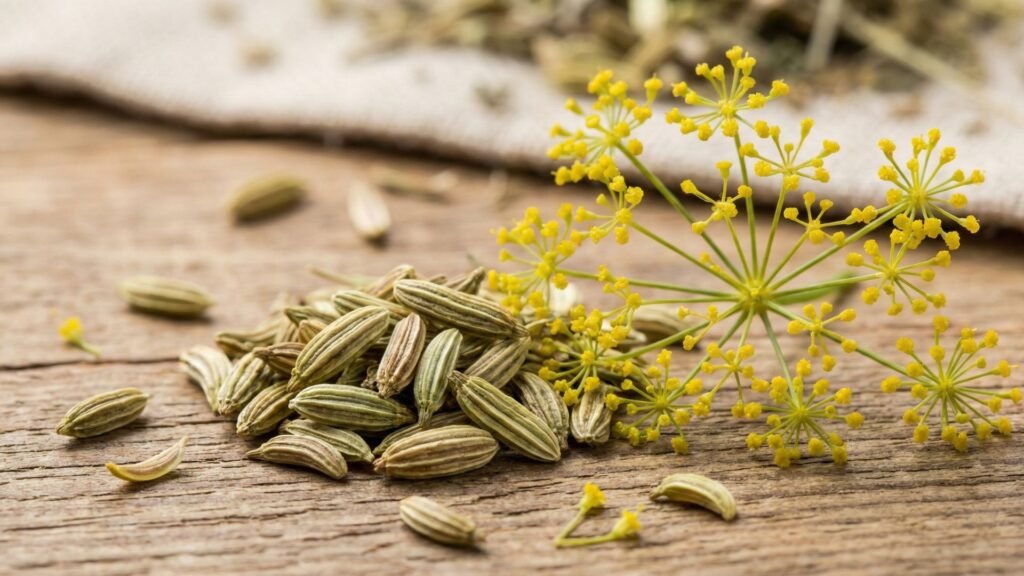
Section 3: Practical Ways to Use Fennel Seeds for Bloating
The effectiveness of fennel seeds depends heavily on the method of preparation and consumption. To maximize the relief from Fennel Seeds for Bloating, it is important to extract the volatile oils correctly.
1. The Traditional Method: Chewing the Seeds
The simplest and most direct method is chewing. The act of mastication breaks the seed casing and immediately releases the volatile oils, allowing them to mix with saliva. This provides the dual benefit of immediate oil absorption and the stimulation of digestive enzymes.
- Dosage: Chew on approximately half a teaspoon of plain, dry, roasted fennel seeds immediately after a meal.
- Tip: Chew slowly and thoroughly for at least one minute before swallowing the seeds.
2. Fennel Seed Tea: The Calming Infusion
Fennel tea is arguably the most pleasant and popular way to harness the benefits of fennel. The hot water helps extract the therapeutic oils efficiently.
- Preparation Method: The most effective way is to lightly crush 1 to 2 teaspoons of fennel seeds (using a mortar and pestle or the back of a spoon) before steeping. This breaks the hard outer shell, allowing the oils to release into the water.
- Steeping: Place the crushed seeds in a mug and pour 1 cup of boiling water over them.
- Crucial Step: Cover the mug while steeping for 7 to 10 minutes. The aromatic volatile oils are prone to evaporating; covering the tea traps these oils, ensuring they remain in the infusion for maximum benefit.
- Timing: Drink the tea warm, 15 to 30 minutes after your largest meal of the day, or whenever bloating occurs.
3. Culinary Integration
Fennel seeds are a wonderful addition to your kitchen, offering flavour enhancement alongside digestive benefits.
- Baking: Add whole or ground fennel seeds to bread, crackers, or savoury biscuits.
- Seasoning: Use ground fennel as a dry rub for pork or fish, or add a pinch to stews, curries, or homemade soups.
- Tinctures: A concentrated extract of fennel seeds (often preserved in alcohol) can be used for acute symptoms, offering a fast, concentrated dose of the active compounds.
4. Fennel Essential Oil (External Use)
Fennel essential oil is highly concentrated and should never be ingested without professional guidance. However, when diluted with a carrier oil (such as coconut or almond oil), a few drops can be used for a gentle abdominal massage. Rubbing the diluted oil clockwise around the abdomen can physically stimulate peristalsis and help relieve gas and cramping.
Section 4: Safety, Dosage, and Contraindications
While fennel seeds are generally recognised as safe (GRAS) and are a benign food item, concentrated use for therapeutic purposes requires adherence to simple safety guidelines.
Recommended Dosage
- Dried Seeds: The standard therapeutic dose is typically 1 to 5 grams of dried seeds per day, equivalent to about half a teaspoon up to a full tablespoon, depending on the severity of symptoms.
- Tea: 2 to 3 cups of tea per day, made from 1 to 2 teaspoons of crushed seeds per cup.
Safety and Side Effects
Fennel is very well-tolerated. The most common side effects are usually related to allergies, which are rare but possible, particularly in individuals allergic to other plants in the carrot family (e.g., celery, parsley, dill).
Contraindications (When to be Cautious)
- Pregnancy and Breastfeeding: Due to the presence of anethole, which has mild, hormone-like (estrogenic) properties, concentrated use of fennel (such as high-dose supplements or essential oils) is generally advised against for pregnant or breastfeeding women. Standard dietary consumption or a single cup of tea is usually fine, but consultation with a doctor or herbalist is essential.
- Medication Interactions: Fennel may potentially interfere with the metabolism of certain medications, particularly tamoxifen and other hormonal therapies. If you are taking prescription medication, always discuss supplementation with your healthcare provider first.
By leveraging the natural carminative and anti-spasmodic qualities of the seed, using Fennel Seeds for Bloating can offer a powerful, holistic, and pleasant way to achieve consistent digestive comfort.
🛒 [OUR TOP PICK] Product Recommendation (Amazon UK)
To incorporate this natural remedy effectively into your daily routine, a quality, organic tea blend is a perfect choice.
Brand Name: Pukka
Product Type: Pukka Three Fennel Organic Herbal Tea (This tea offers a blend of sweet fennel, wild fennel, and fennel leaf, providing a concentrated and highly palatable dose of the carminative oils. It is a convenient and effective way to address post-meal bloating and gas).