



When it comes to natural relief for digestive distress, Ginger for Nausea is perhaps the most widely recognized and scientifically validated home remedy in the world. Used for thousands of years in both traditional Chinese and Ayurvedic medicine, the ginger rhizome (Zingiber officinale) is far more than just a culinary spice; it is a powerful anti-emetic (anti-vomiting) and stomach soother.
Ginger’s versatility allows it to manage a wide spectrum of digestive complaints, including common motion sickness, chronic indigestion, and the challenging nausea associated with pregnancy or chemotherapy. The reason for its broad success lies in its unique concentration of active compounds that work directly on the gut and the neurological pathways responsible for initiating the urge to vomit. This comprehensive guide will detail the potent science behind ginger’s soothing effect, provide clear dosage instructions for its various forms, and outline how to effectively incorporate Ginger for Nausea into your life.
⚕️ Disclaimer:
 The content in this article is for informational purposes only and is not a substitute for professional medical advice. Always consult with a doctor.
Section 1: The Science Behind Ginger’s Anti-Nausea Action
The therapeutic power of ginger is concentrated in its volatile oils and pungent phenolic compounds. The two main active groups, gingerols and shogaols, are responsible for its distinct flavour and its profound impact on the digestive system.
The Active Compounds: Gingerols and Shogaols
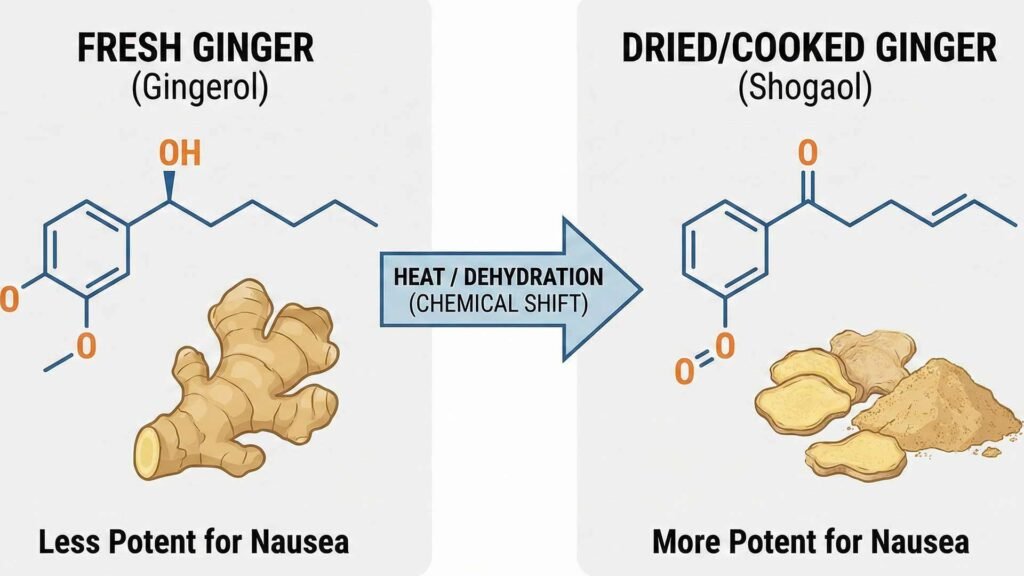
- Gingerols: These are the primary pungent compounds found in fresh ginger root. Gingerols are potent anti-inflammatory agents that help reduce irritation within the digestive tract.
- Shogaols: These compounds are formed when ginger is dried, aged, or cooked. Shogaols are often more potent than gingerols and possess stronger anti-emetic properties, making dried ginger products (like capsules or dried tea) highly effective for nausea management.
The Dual Action on the Gut and Brain
Ginger’s mechanism of action is two-fold, targeting both the speed of digestion and the signals sent to the brain:
- Accelerating Gastric Emptying: One of the main causes of nausea and indigestion (dyspepsia) is slow digestion—when food lingers too long in the stomach, leading to uncomfortable fullness, reflux, and eventual nausea. Studies have shown that ginger helps to accelerate gastric emptying, effectively moving contents from the stomach into the small intestine more quickly. By improving digestive efficiency, ginger dramatically reduces the likelihood of that sick, full feeling that precedes vomiting.
- Serotonin Receptor Interaction: The nausea and vomiting reflex is heavily controlled by the release of serotonin in the gut lining. Once released, serotonin binds to specific receptors (5-HT3), which triggers the nausea signal to the brain. Gingerols and shogaols are believed to interact with these serotonin receptors, acting as an antagonist to block the signal that initiates the sickness response. This neurological action is highly effective for reducing the urge to vomit, similar to how certain prescription anti-nausea drugs work, but without the side effects.
- Anti-Spasmodic Effect: Ginger acts as an anti-spasmodic, helping to relax the smooth muscles of the digestive tract. This can relieve general stomach cramps and abdominal discomfort often associated with indigestion and gas.
Section 2: Therapeutic Uses and Targeted Relief
The versatility of Ginger for Nausea means it can be used across numerous conditions, often providing effective relief where other gentle remedies fall short.
1. General Nausea and Vomiting
Ginger’s anti-emetic properties are effective against a variety of causes. It has shown promise in reducing post-operative nausea, a common side effect of anaesthesia, and can help mitigate the digestive distress associated with some types of chemotherapy. For simple cases of stomach upset or viral illness, ginger works quickly to calm the stomach lining and reduce the feeling of instability.
2. Morning Sickness (Pregnancy-Related Nausea)
This is one of the most widely studied and accepted uses of ginger. Numerous systematic reviews confirm that ginger is an effective and safe option for reducing the severity of pregnancy-related nausea and vomiting, especially in the first trimester.
- Safety Note: While generally safe in recommended food or supplement doses, pregnant women should always consult their obstetrician or midwife before beginning a therapeutic ginger regimen. The standard effective dose for morning sickness is typically around 1,000 mg (1 gram) per day, split into several smaller doses.
3. Motion and Sea Sickness
Ginger’s ability to settle the stomach is particularly valuable for motion sickness, often performing better than conventional, over-the-counter anti-sickness medications, which can cause drowsiness.
- Preventative Use: Taking ginger before a journey (about 20-30 minutes prior) is highly effective as a preventative measure for sea, air, or car sickness. It works by normalizing the digestive system and reducing the conflicting signals sent to the brain by inner ear fluid motion.
4. Indigestion (Dyspepsia) and Functional GI Disorders
For individuals suffering from chronic functional dyspepsia (indigestion not caused by an ulcer), ginger can be a powerful daily supplement. By consistently improving gastric motility, it reduces the symptoms of persistent fullness, discomfort, and belching after meals. Its anti-inflammatory components also help to soothe the irritated lining of the stomach and small intestine.

Section 3: Best Forms and Dosage for Ginger for Nausea
The efficacy of Ginger for Nausea depends on selecting the right form and ensuring you are consuming a high enough dose of the active compounds.
1. Fresh Ginger Root (Immediate Relief)
- Best For: Acute, immediate onset of sickness, or when making a tea.
- Preparation: Peel a small section of fresh root. You can chew a small piece (about 1 gram) slowly to release the compounds, or finely grate 1-2 teaspoons into hot water to make a potent, soothing tea. Steeping freshly grated ginger for 10-15 minutes ensures high extraction of the active gingerols.
2. Ginger Tea (Digestive Aid)
- Best For: Daily post-meal use and mild digestive support.
- Method: Use either grated fresh ginger or pre-packaged ginger tea bags. To enhance efficacy, you can add a squeeze of lemon (for taste and acidity) or a touch of honey (for sweetness). Always cover the tea while steeping to prevent the volatile, active oils from evaporating.
3. Capsules and Supplements (Therapeutic Dosing)
- Best For: Consistent dosing for chronic issues like morning sickness or for preventative use against travel sickness.
- Dosage: Supplements provide the most reliable way to consume a specific, therapeutic dose (usually 250mg to 1000mg per day). Look for supplements that are “standardized” to guarantee a specific concentration of gingerols and shogaols, which ensures predictable results.
4. Candied or Crystallized Ginger
- Caution: While tasty and effective due to the concentrated shogaols (formed during the heating/drying process), these often contain a very high amount of sugar. They are best reserved for acute episodes of sickness where a small amount is sufficient, rather than daily use.
Section 4: Safety, Interactions, and Tips
Ginger is considered very safe for most people when consumed in typical food and supplement dosages. However, awareness of potential interactions is necessary for safe use.
Side Effects and Tolerance
The most common side effect is mild heartburn or stomach upset, particularly if taken in large doses or on a completely empty stomach. If this occurs, reduce the dose or ensure you take the ginger with a small amount of food.
Drug Interactions
Because ginger has a mild anti-platelet effect (it can subtly thin the blood), caution is advised if you are taking blood-thinning medications (anticoagulants) like Warfarin. Additionally, its ability to lower blood sugar means it may enhance the effects of diabetes medications. Always discuss high-dose ginger supplementation with your doctor if you are on any prescription medication.
Timing for Effectiveness
For preventative measures like motion sickness, take the ginger about 20 to 30 minutes before the journey begins. For acute nausea or indigestion, take it immediately when symptoms appear. For chronic issues, a consistent daily dose taken in two or three divided doses is most effective.
By relying on the natural, clinically proven action of its active compounds, incorporating Ginger for Nausea into your self-care toolbox provides an accessible, effective, and ancient solution for a wide range of common stomach complaints.
🛒 [OUR TOP PICK] Product Recommendation (Amazon UK)
For reliable, consistent dosing needed to manage persistent issues like morning sickness or chronic indigestion, a standardized capsule is the ideal choice.
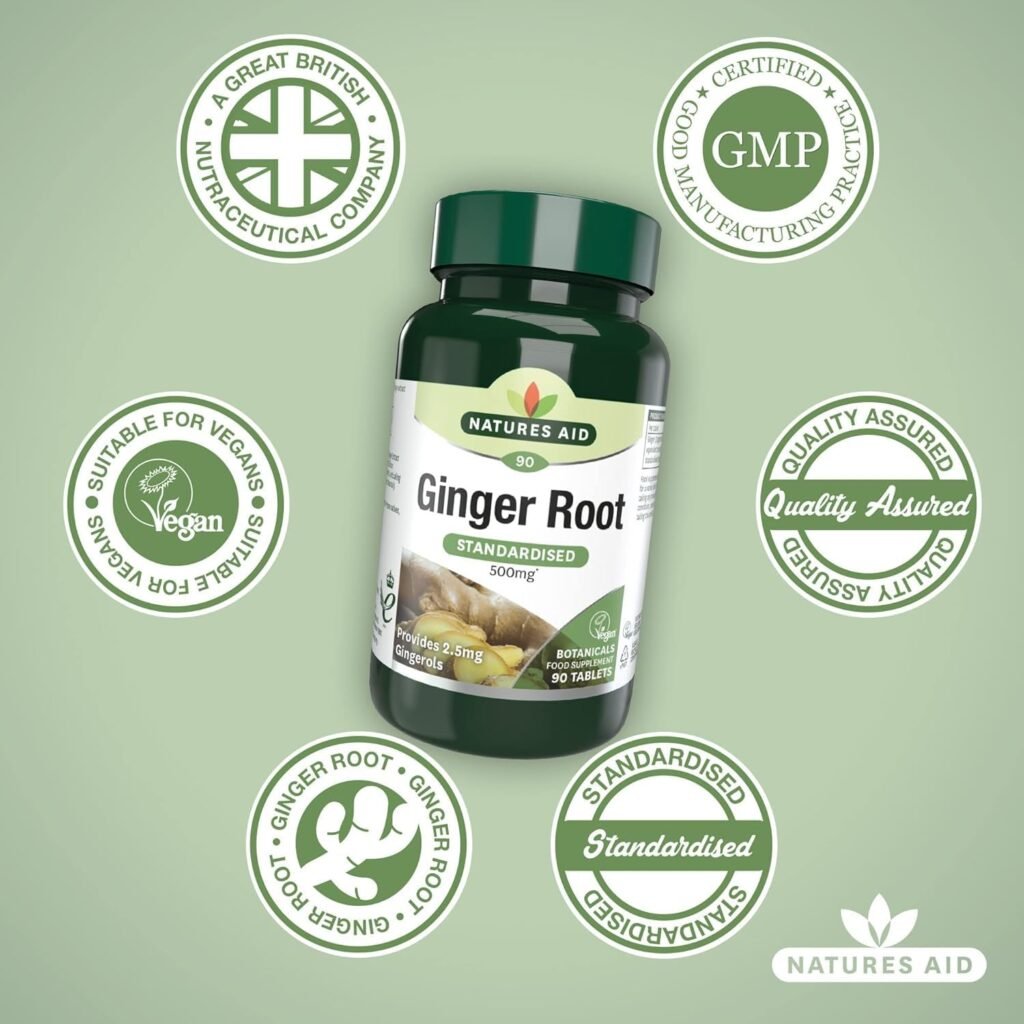
Product Type: Natures Aid Ginger Root 500mg (This product guarantees a specific, therapeutic level of active compounds [gingerols and shogaols], making the results predictable and effective for daily use).